Whole-House Repiping in Woodbridge, VA
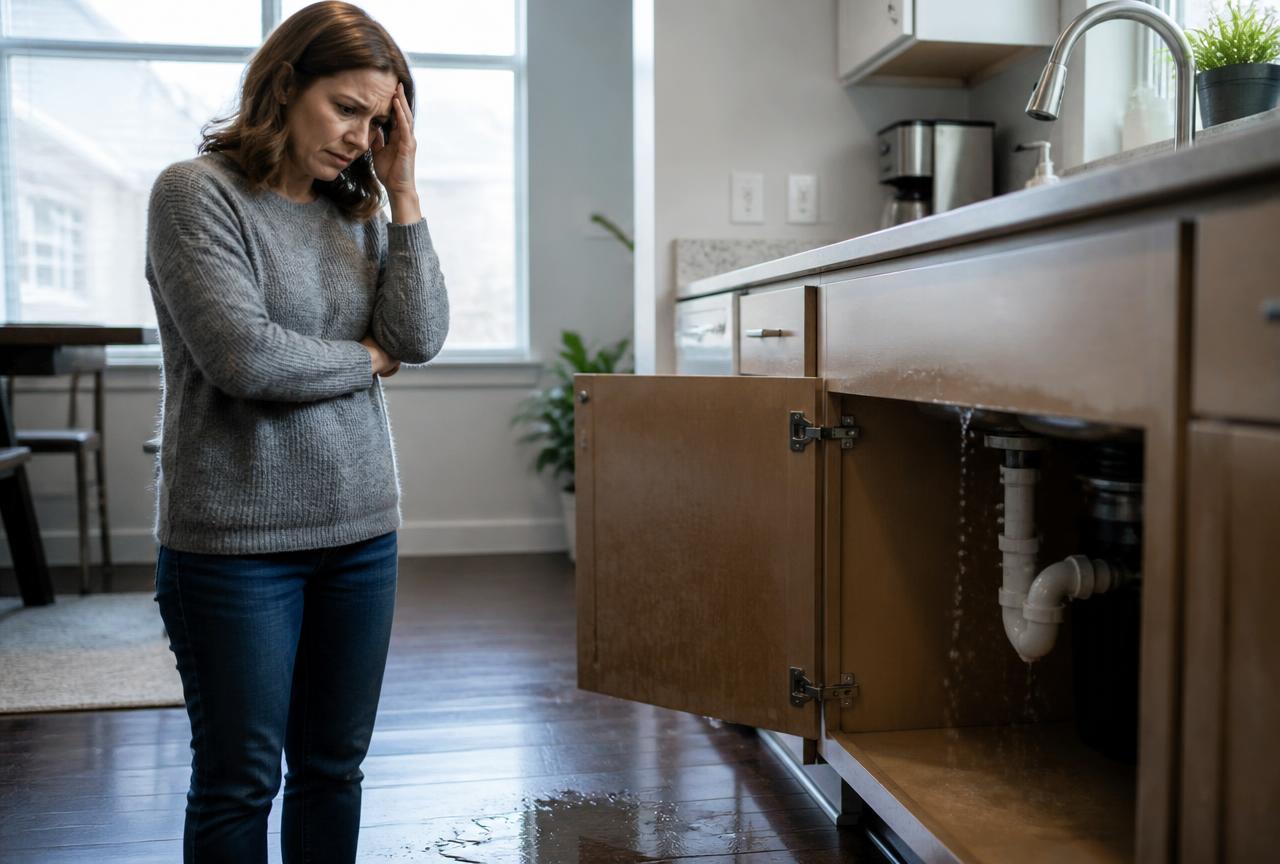
Repiping is the plumbing repair homeowners dread most, and it is also the one that permanently ends a decade of recurring leaks. When you have patched the third pinhole in two years, you are no longer saving money by patching.
Two materials drive most repipes in this region: galvanized steel in genuinely old homes, and polybutylene in homes built roughly between the late 1970s and mid 1990s. Both are known failure materials, and both are common in parts of Prince William County.
Whole-house repiping replaces all the water supply piping inside a home, typically with PEX or copper. It is recommended when galvanized steel or polybutylene piping is failing, when pinhole leaks recur, or when pressure and water quality have degraded throughout the house. Lud's Plumbing price-matches written repipe quotes in Woodbridge, VA.
Signs you need whole-house repiping
- Grey plastic polybutylene supply pipe with copper or crimped bands at the fittings
- Galvanized steel piping showing rust at threaded joints
- Multiple pinhole leaks in copper within a short period
- Discolored water at first draw from several fixtures
- Pressure that has dropped gradually over years across the house
- An insurance carrier flagging the plumbing material at renewal
How we handle it
Step 1
Survey the house
We map every run, fixture, and manifold location and confirm the existing material and its condition.
Step 2
Plan access
Access points are planned to minimize drywall cuts, using attics, crawlspaces, and closets wherever routing allows.
Step 3
Install new supply
New PEX or copper runs, new shut-offs at every fixture, and a manifold or trunk-and-branch layout depending on the home.
Step 4
Pressure test and inspect
The system is pressure tested and inspected before anything is closed up.
Step 5
Patch and finish
Drywall patching and finish coordination so the house is returned in usable condition.
How much does whole-house repiping cost?
We don't publish invented numbers. Here is exactly what drives the price on your job.
- Number of bathrooms and fixtures, not square footage alone
- One story with attic access versus multi-story with finished ceilings
- Slab-on-grade versus crawlspace or basement
- Chosen material, PEX or copper
- Extent of drywall access required and who handles finish work
- Permits and inspection in Prince William County
⚠️ CONFIRM BEFORE LAUNCH (Open Item #6): no published pricing has been supplied by the client, so no dollar figures appear on this page.
Why choose Lud's for whole-house repiping
- A written, room-by-room scope before the first cut
- Repipes qualify for the Beat My Quote price-match on licensed competitor quotes
- New fixture shut-offs included so future repairs never require killing the whole house
- Workmanship warranty on the entire installation
Whole-House Repiping FAQs
How do I know if I have polybutylene pipe?
Polybutylene is usually dull grey, sometimes blue or black, flexible, and stamped PB2110. It is most often visible at the water heater, at the main shut-off, and under sinks. It was installed in many homes built from the late 1970s through the mid 1990s and is widely regarded as a failure-prone material.
How long does a whole-house repipe take?
A typical single-family repipe takes two to five working days for the plumbing itself, plus drywall patching and paint afterward. Water is usually restored at the end of each working day. Homes with finished basements and multiple stories sit at the longer end of that range.
PEX or copper — which is better for a repipe?
PEX is faster to install, resists freeze damage better, costs less, and needs far fewer wall openings because it runs continuously. Copper is rigid, long-proven, and preferred by some homeowners for exposed runs. Both are code-approved in Virginia; most residential repipes here use PEX.
Do I have to move out during a repipe?
Usually not. We stage the work so water is back on at the end of each day and at least one bathroom stays usable. Dust control and drywall access are the main disruptions. Homes with only one bathroom are the exception worth planning around.
Will repiping fix my low water pressure?
If the cause is corroded galvanized pipe narrowing internally, then yes, dramatically. If the cause is the buried service line from the meter or a failing pressure-reducing valve, repiping the interior will not help. We test before recommending, because those are different jobs with very different costs.
Related services
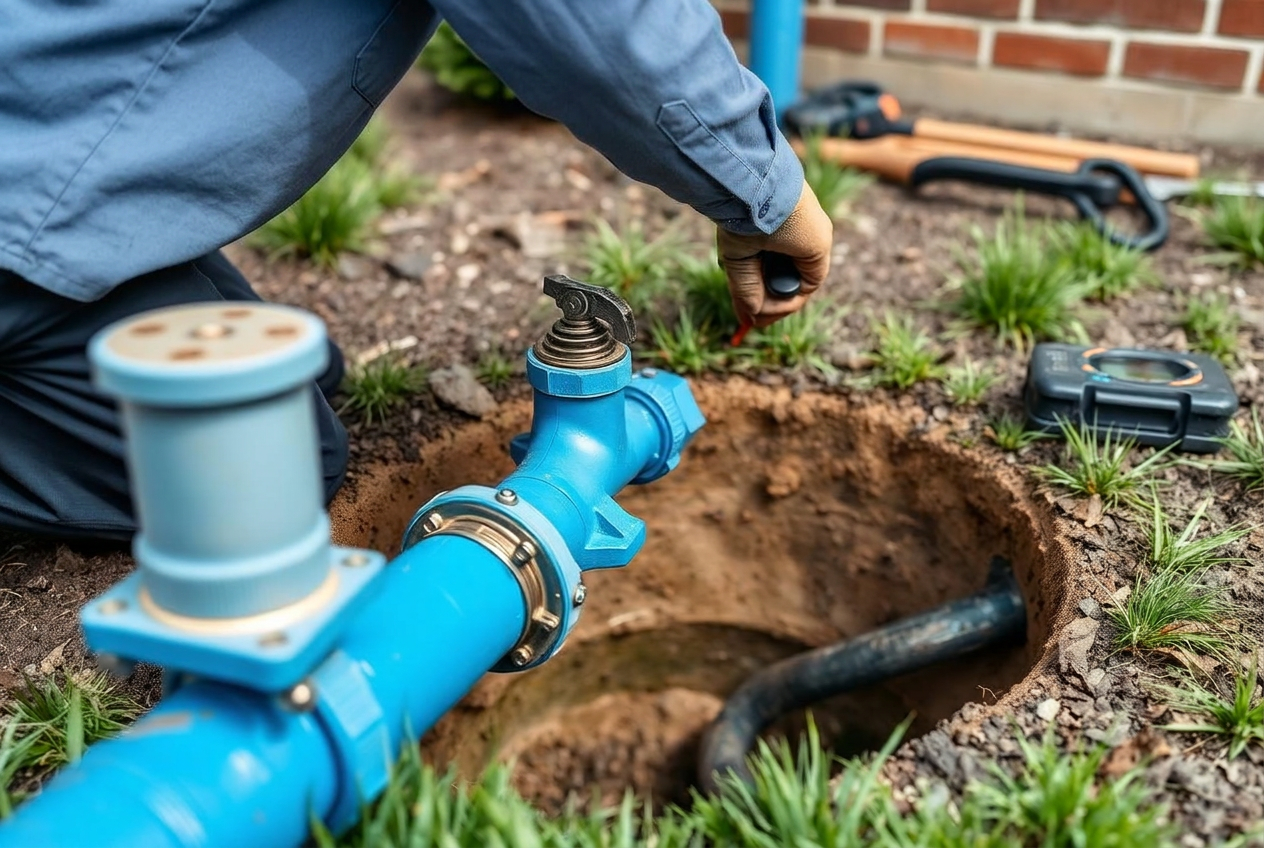
Main Water Line Replacement
Restore pressure and stop underground leaks for good.
Learn more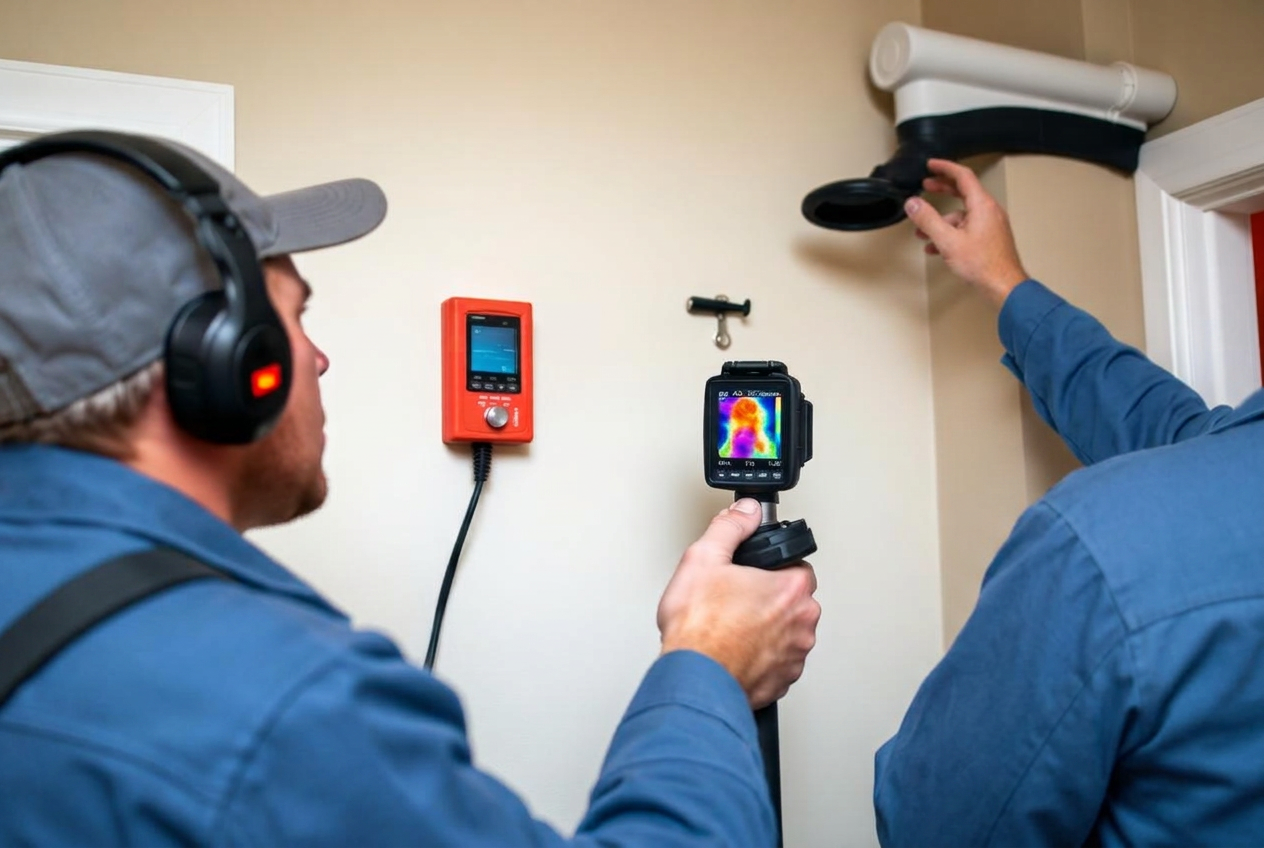
Leak Detection & Repair
Find hidden leaks in walls, ceilings and under slabs.
Learn more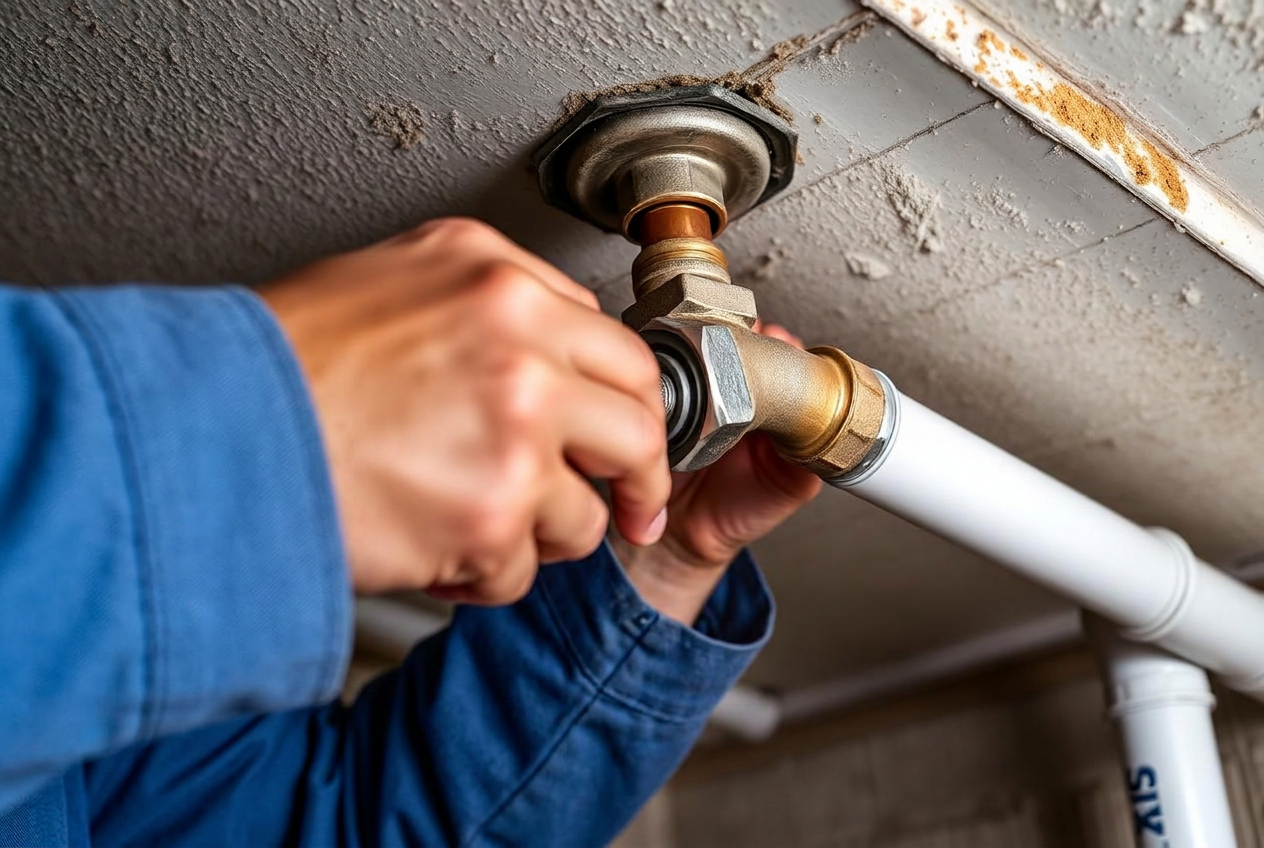
Pipe Repair & Replacement
Burst, frozen and corroded pipe sections repaired properly.
Learn more
Fixture Installation
Faucets, toilets, sinks, disposals and shower valves.
Learn more
Whole-House Repiping across Prince William County
We provide whole-house repiping in all 32 towns we serve.